
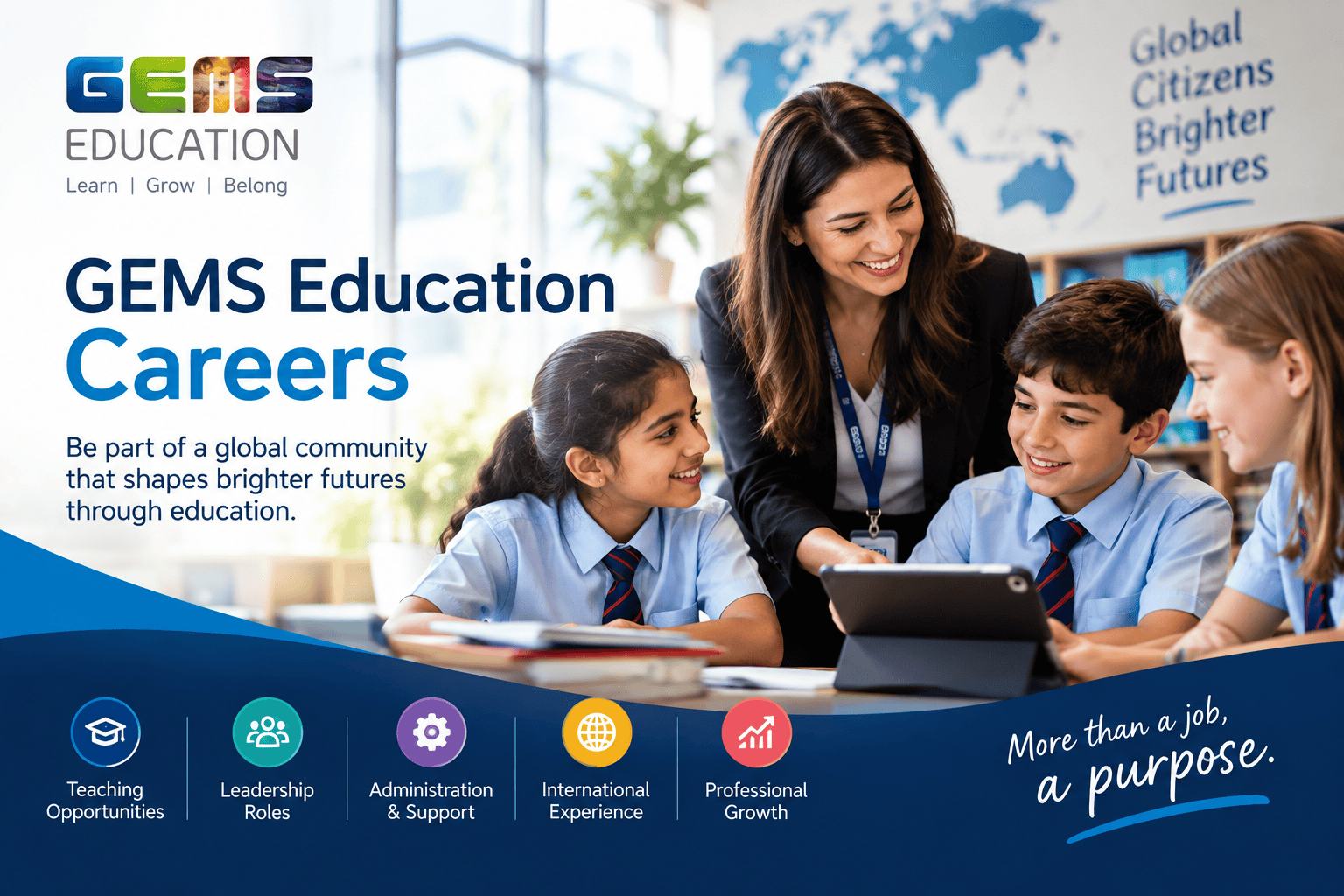
n today’s rapidly changing world, education is no longer limited to classrooms, textbooks, and examinations. Students and professionals need practical knowledge, digital skills, creativity, and career-focused training to succeed. GEEMS Education represents an approach to learning that can help individuals develop these skills while preparing them for meaningful career opportunities.
What Is GEEMS Education?
GEEMS Education can be understood as an education model that focuses on developing knowledge alongside practical and professional skills. Rather than concentrating only on academic achievement, this approach encourages learners to explore their interests, build confidence, solve problems, and prepare for the demands of the modern workplace.
A strong education system should help students answer an important question: “How can I use what I learn to build my future?”
GEEMS-style education can help connect learning with real-world applications and career development.
Table of Contents
- Introduction to GEEMS Education Careers
- What Is GEEMS Education?
- Why Choose GEEMS Education for Career Development?
- Top Career Opportunities After GEEMS Education
- Information Technology
- Business and Management
- Education and Training
- Engineering and Technical Fields
- Creative and Digital Careers
- Skills You Can Develop Through GEEMS Education
- How GEEMS Education Prepares Students for the Future
- How to Choose the Right Career Path
- Tips for Building a Successful Career
- Importance of Lifelong Learning
- Conclusion: Building a Successful Future With GEEMS Education
- Why Career-Focused Education Matters
Choosing a career can be challenging. Students often have many options but limited information about what different careers involve. Career-focused education can help learners understand their strengths and explore different professional pathways.
Some important benefits include:
- Developing practical and technical skills
- Improving communication and teamwork
- Building digital literacy
- Encouraging creativity and problem-solving
- Introducing students to different career fields
- Preparing learners for further education and employment
- Increasing confidence through practical learning
These skills can be valuable whether a student plans to enter the workforce, start a business, pursue higher education, or develop a specialized profession.
Career Opportunities After Quality Education
Education can open doors to a wide range of career paths. Depending on a learner’s interests, qualifications, and skills, possible areas include:
1. Information Technology
Technology continues to influence almost every industry. Students interested in computers can explore careers in software development, web development, cybersecurity, data analysis, networking, and information systems.
2. Business and Management
Students with an interest in business may pursue careers in management, marketing, accounting, entrepreneurship, human resources, sales, and finance.
3. Education and Training
People who enjoy teaching and working with others can explore careers in teaching, educational management, instructional design, training, and academic support.
4. Engineering and Technical Fields
Technical education can prepare students for careers involving design, construction, manufacturing, electronics, energy, and other engineering-related industries.
5. Creative Careers
Education can also support creative professions such as graphic design, digital media, content creation, photography, animation, advertising, and communication.
Skills for the Future
A successful career requires more than a certificate or degree. Employers increasingly value people who can adapt to new technologies, communicate effectively, work in teams, and solve unfamiliar problems.
Some valuable career skills include:
Communication: The ability to explain ideas clearly and professionally.
Critical Thinking: The ability to analyze information and make reasoned decisions.
Digital Skills: Confidence using modern technology and digital tools.
Problem-Solving: The ability to identify challenges and develop practical solutions.
Adaptability: Being willing to learn new skills as industries change.
Leadership: Taking responsibility, supporting others, and managing projects effectively.
How Students Can Prepare for Their Careers
Students can begin career preparation long before their first job. They can explore different professions, participate in projects, develop technical skills, improve communication, and seek opportunities to gain practical experience.
Creating a personal career plan can also be useful. A simple plan might include:
- Identify your interests and strengths.
- Research careers related to those interests.
- Determine the qualifications required.
- Develop relevant technical and soft skills.
- Gain practical experience through projects or internships.
- Build a professional résumé and portfolio.
- Continue learning throughout your career.
The Importance of Lifelong Learning
Education does not end when a student receives a certificate or degree. Industries change, technologies develop, and new professions emerge. Successful professionals therefore need to continue learning throughout their careers.
Online courses, professional training, workshops, certifications, books, and practical projects can all contribute to lifelong learning.
Conclusion
GEEMS Education can represent a broader vision of education—one that connects learning with practical skills, personal development, and career preparation. By combining academic knowledge with real-world skills, learners can become better prepared to navigate an increasingly competitive and changing professional environment.
The most valuable education is not simply about passing examinations. It is about developing the knowledge, skills, confidence, and curiosity needed to continue growing throughout life.
Investing in education today can help build the careers and opportunities of tomorrow.